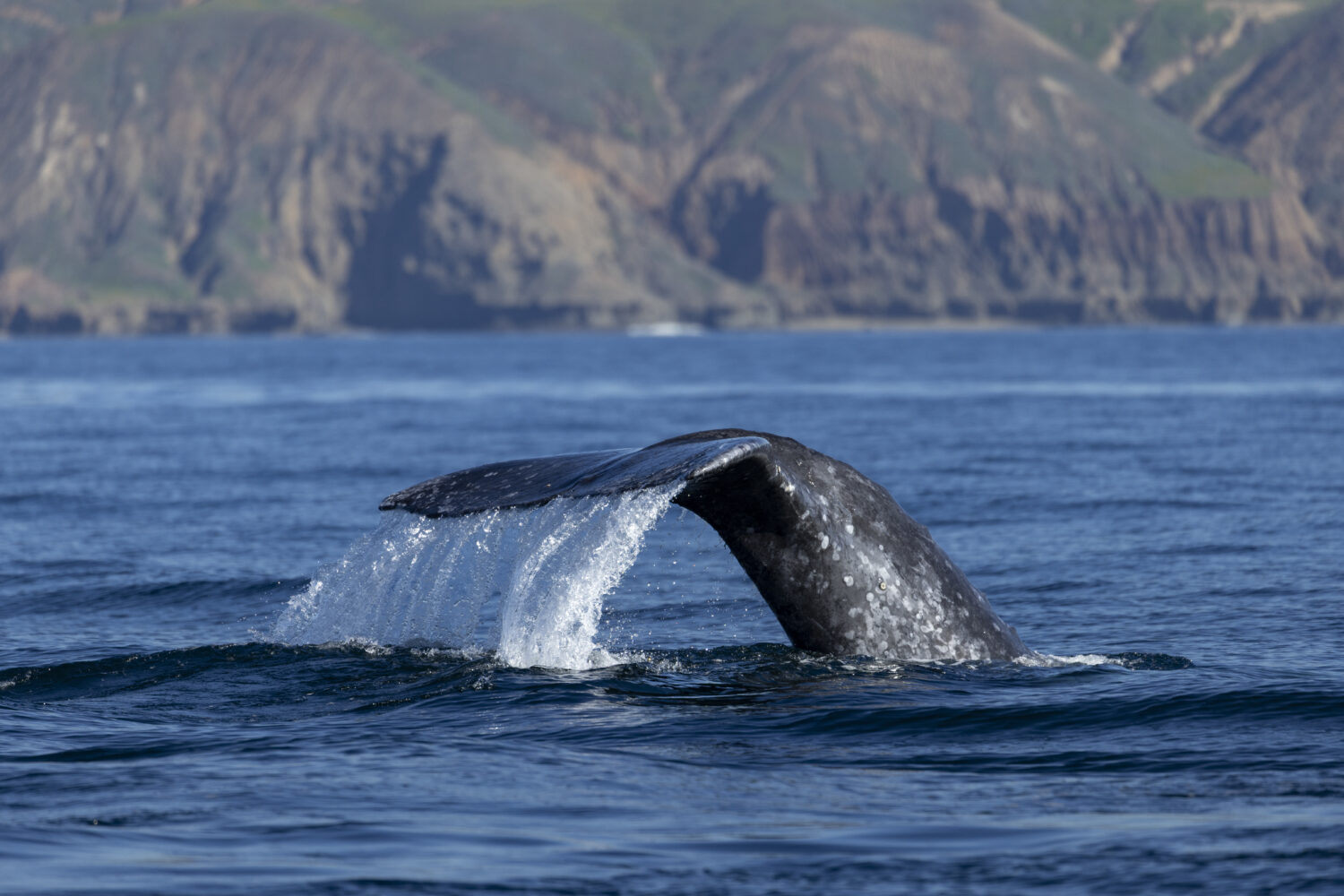
It has been a month of wonderful gray whale sightings by all 8 responsible whale watching tour operators in the Santa Barbara Channel Whale Heritage Area.
Each year, Eastern North Pacific gray whales complete one of the longest migrations of any mammal on Earth, traveling more than 10,000 miles between their breeding lagoons in Baja
California and the feeding grounds in the Arctic. But today, this ancient journey is shifting in ways
that tell a deeper story about the changing ocean. Their population peaked in 2015-2016 at
over 27,000 whales, and today, their numbers are down over 50% and now number 13,000 or
less, the lowest since the 1970s.
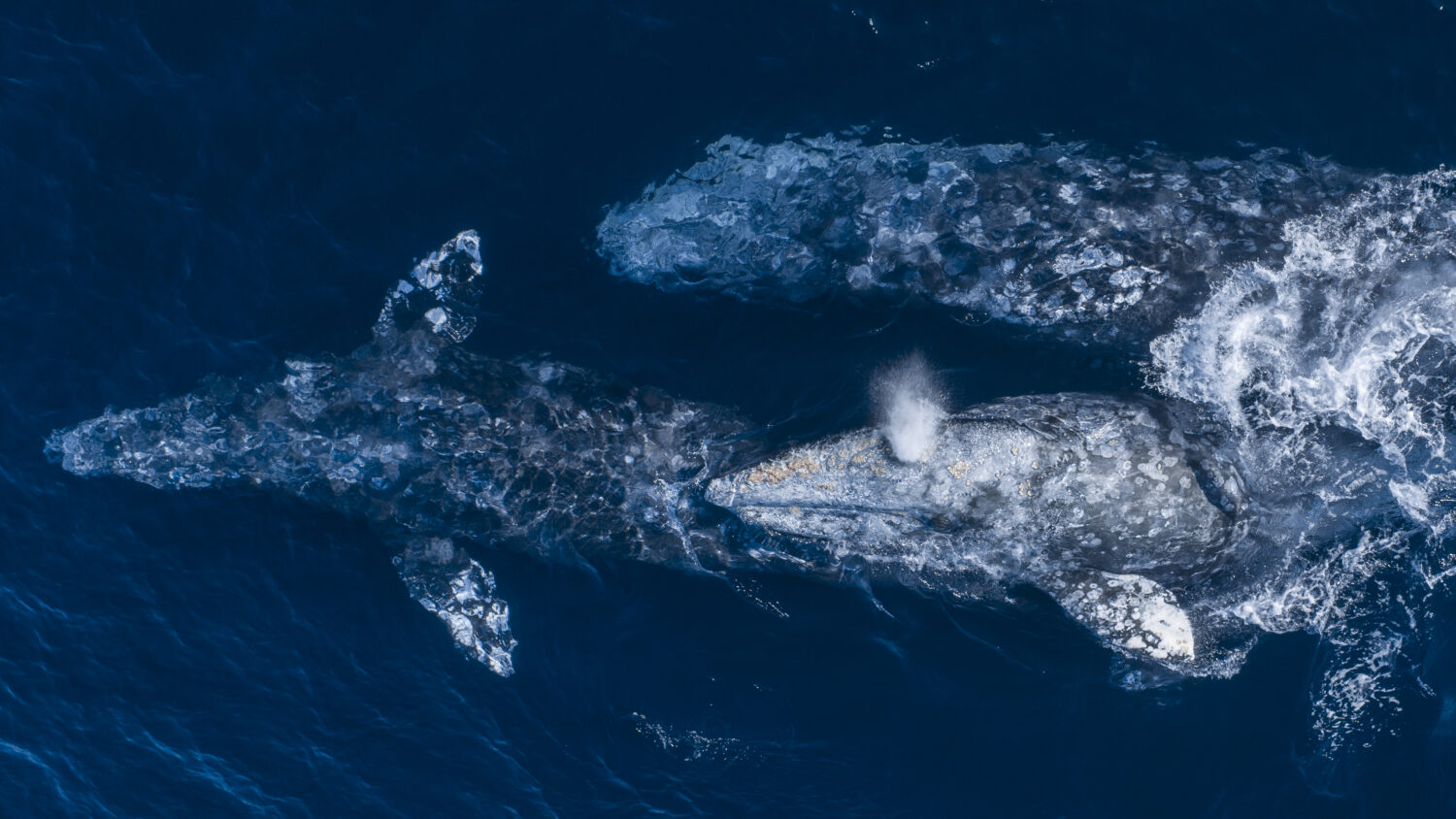
Traditionally, gray whales relied on rich Arctic feeding grounds to build the energy reserves
needed for migration. Yet climate-driven changes with less Arctic ice are reducing the
availability of key prey, such as amphipods, leaving many gray whales with less energy for the
journey. In response, gray whales are showing remarkable adaptability—feeding
opportunistically along their migration route rather than waiting to reach the Arctic.
Along the California coast, including near Santa Rosa Island, whales are increasingly seen
slowing down, lingering, and actively feeding in nearshore habitats. These areas, once
considered simple migratory corridors, are becoming critical stopover feeding grounds.
Further north, this pattern is even more established. A small but significant subset of the
population—known as the Pacific Coast Feeding Group—consists of roughly 230–243 whales
that regularly feed along the coasts of northern CA, OR, WA, and Canada rather than
continuing to the Arctic.
These whales spend extended periods in nearshore waters from northern California to northern
British Columbia, demonstrating a different ecological strategy within the broader population.
In Puget Sound, some of these whales are affectionately known as the “Sounders,” well studied
by Cascadia Research Collective. These individuals return seasonally to feed in shallow,
intertidal, muddy habitats, often using specialized techniques like side-rolling to scoop up ghost
shrimp and other prey. Their repeated presence highlights how gray whales can develop
localized feeding traditions—knowledge passed across years and possibly generations.
What we are now witnessing in places like the Santa Barbara Channel may reflect a similar shift.
As environmental pressures reshape prey availability, more whales may be adopting
opportunistic feeding strategies—blurring the line between migratory whales and localized
feeding groups.
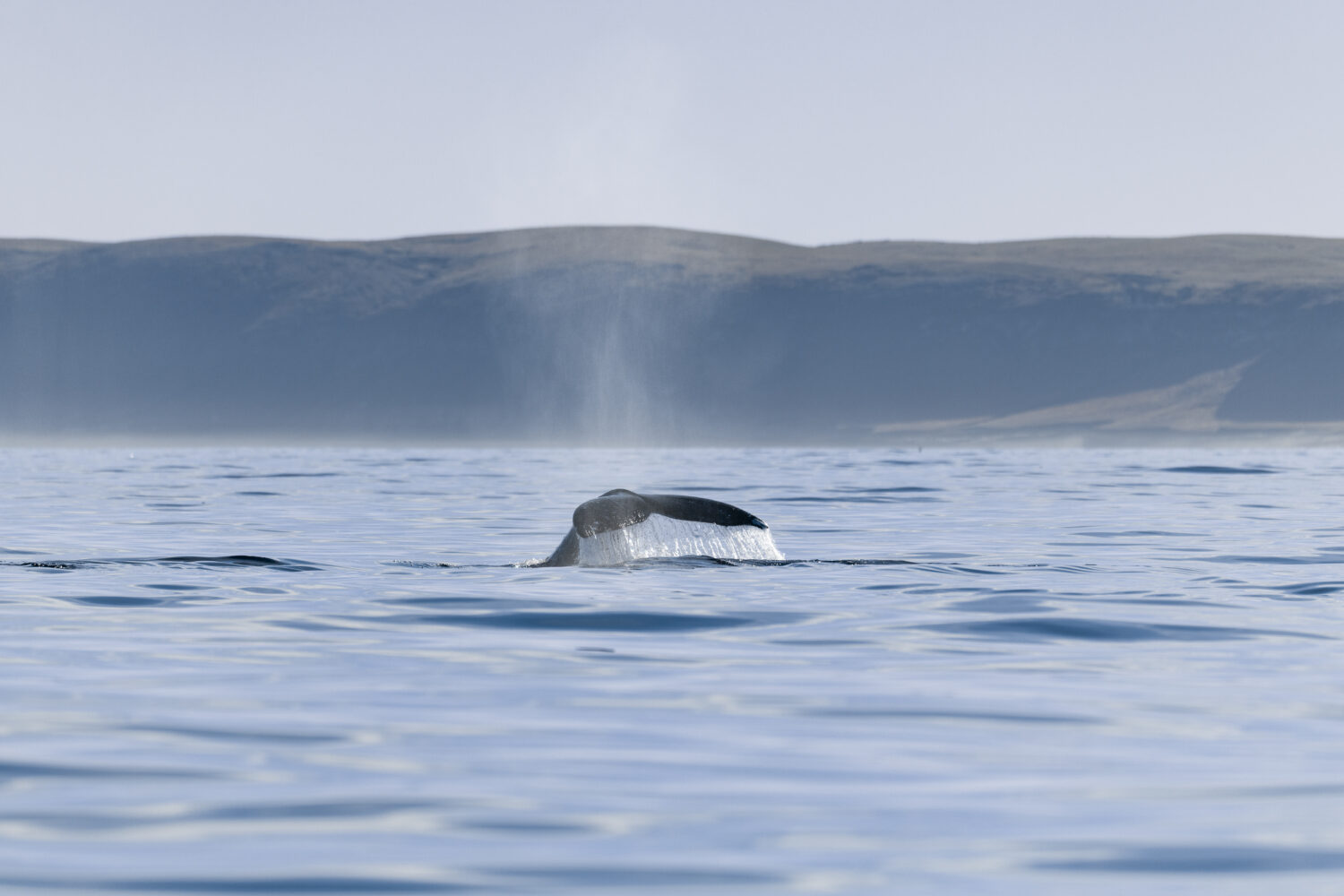
While this adaptability is a sign of resilience, it also comes with risk. Feeding closer to shore
increases exposure to vessel traffic, entanglement, and noise disturbance. Last week a dead
gray whale was floating in San Francisco Bay, and a necropsy performed at Angel Island
indicated injuries consistent with a vessel strike. It is why, for smaller subpopulations like the
Pacific Coast Feeding Group, these pressures are especially concerning, given their limited
numbers.
This is where community plays a critical role.
The Santa Barbara Channel Whale Heritage Area stands as a model for ocean
stewardship—connecting people, science, and conservation. As one of the world’s twelve
Whale Heritage Areas it highlights the importance of protecting not just whales, but the
habitats and human communities intertwined with them.
Citizen science is at the heart of this effort. Whale watching naturalists, researchers, boaters,
and coastal observers are all contributing to a growing body of knowledge. Sightings of gray
whales feeding near Santa Rosa Island and throughout the Santa Barbara Channel help
scientists track changing behaviors in real time.
Tools like Whale Safe, along with photo identification platforms like Happywhale, and
community reporting, are helping reduce ship strikes and inform management decisions. In
regions like Puget Sound, long-term observations of “Sounders” have only been possible
because of consistent public engagement—demonstrating how powerful community-driven
science can be.
The story unfolding along the Pacific coast is one of both resilience and warning. From the
“Sounders” of Washington State to the feeding gray whales now lingering in the Channel Islands National Park and Channel Islands National Marine Sanctuary, we are witnessing a
species adapting to a rapidly changing ocean.
Whether these shifts represent a new normal or a response to stress remains an open
question—but one thing is clear: through citizen science, stewardship, and places like the Santa
Barbara Channel Whale Heritage Area, we have a vital role in understanding and protecting these iconic whales for generations to come.